Kategorie: csr
-

elleXX: Kolumnen mit wachem Geist, scharfer Zunge und Augenzwinkern
elleXX ist eine innovative Finanzplattform für Frauen. Hier schreibe ich jeden Monat eine Kolumne. Mit wachem Geist, scharfer Zunge und einem Augenzwinkern.
-
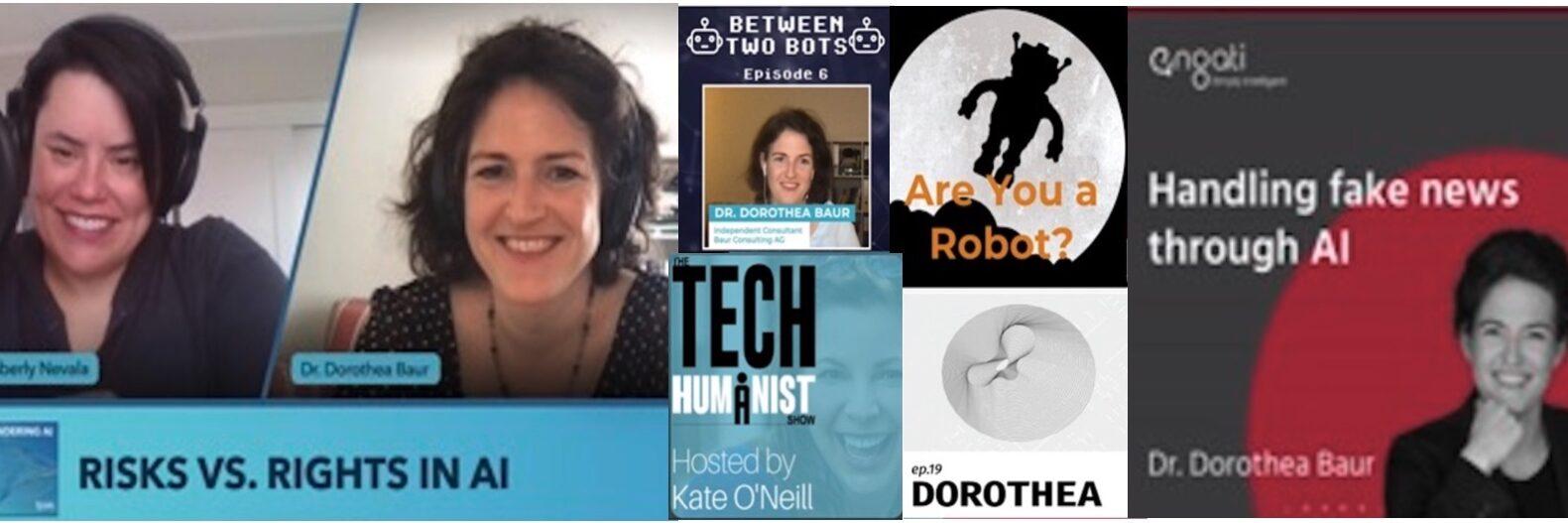
Podcasts – meine Gedanken zu Ethik auf Sendung
Menschen aus der ganzen Welt laden mich ein, meine Gedanken zu Ethik, zu Künstlicher Intelligenz, zu Datenschutz, zu Nachhaltigkeit oder zu meinem persönlichen Werdegang zu teilen. Podcasts sind eine grossartige Chance, meine Ansichten und Überzeugungen strukturiert und klar verständlich darzulegen. Jedes einzelne dieser Gespräche war immer auch ein Augenöffner für mich selber.
-

Künstliche Intelligenz und Ethik. Oder lieber Pizza, Chips und Gummibärchen.
„Hanbekks trifft“ ist der Podcast der äusserst scharfzüngigen… Hanbekks eben! Bei ihr durfte ich nicht nur über KI und Ethik reden, sondern auch meine Henkersmahlzeit bestellen.
-

Kryptowährungen und ESG? Mission impossible
Kryptowährungen boomen; viele von ihnen basieren auf extrem energieintensiven Mining-Prozessen. Gleichzeitig stehen wir unter dem Druck, den globalen Emissionsverbrauch drastisch zu senken, Stichwort ESG. Diese beiden Trends vertragen sich nicht.
-

„No one likes to talk about ethics. I show that talking about ethics can be fun“
Here is how I developed from a primary school feminist protesting against handicraft lessons for girls, to a rebellious anticapitalist teenager in high school, to a bored business administration student in the 1990ies, into who I am today.
-
Is there business ethics in Clubhouse?
What can AI ethics learn from business ethics? What’s the ethics of Clubhouse, if any? Is the Robinhood app undermining free will? And how can tech companies create an ethical business culture? Listen to my thoughts in this interview.
-
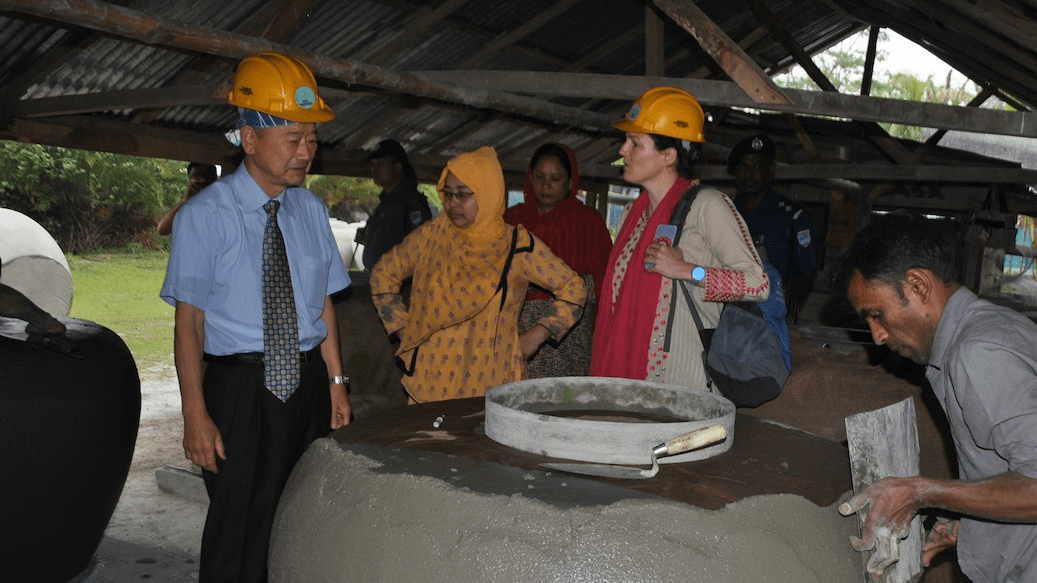
Rainwater Harvesting in Bangladesh
In 2017 I visited various NGO projects in Bangladesh. Upon return to Switzerland I wrote a piece on a method to harvest rainwater in order to secure the supply of healthy water. The article was originally published in the Bangladesh newspaper Daily Sun on February 7, 2018.
-

Thought Leader Talk: „Ethik kann Spass machen“
Die Swiss Mobile Association hat mich als Thought Leader interviewt. Ich sage unter anderem: «Ich stelle die Warum-Frage nicht nur in Bezug auf Innovation oder Fortschritt, sondern auch in Bezug auf den Status Quo».
-

Getting to the root of food waste in bananas
The food waste of bananas created by consumers is only the tip of the iceberg. Even more waste is created at the farm level, where up to 40% of bananas are put to waste. The high percentage of waste at farm level puts an additional strain on the cost/income ratio of farmers.
-

Privacy conundrums in early 2021 — on violators and accomplices
How is it possible that an app that simultaneously breaches privacy principles and that, for the time being, undermines ideals of inclusiveness, is so successful? And why do even people who are usually strong advocates of the very values Clubhouse violates, hop on this latest trend?
-
„AI is a tool, not a right. It’s not an end in itself“
„We might trust machines more than people when we communicate with them but this is dangerous because behind every machine there are the people that create it“. Just one of my statements from my lively talk with Kimberly Misquitta from Indian chatbot company Engati.
-
Nachhaltigkeit: von Daten zu Taten
Auf ConnectaTV spreche ich mit Aileen Zumstein über den «Messwahn» in der Nachhaltigkeitsdebatte, über den «Rückzug in die Intuition», über low hanging fruit und Oberflächenkosmetik, sowie die Bedeutung von Prinzipien und Unvermeidlichkeit von Abwägungen.
-

«Contact-Tracing ist nicht Instagram – das Individuum ist völlig uninteressant»
Im Kampf gegen Covid-19 setzen die Schweiz und weitere Staaten auf digitales Contact-Tracing. Die Weitergabe eigener Daten ist angesichts der Pandemie eine Form der praktizierten Solidarität, sage ich in einem Gespräch im Auftrag der Stiftung Sanitas Krankenversicherung.
-

Ethics in the tech sector: what makes it so distinctive?
Kate O’Neill is a global thought leader, author, keynote speaker, strategic advisor, and „tech humanist“. We talked about connecting the dots between AI ethics, privacy, climate change, CSR, ESG, contact tracing, carbon offsetting and much more, including quite some laughter.
-
Business is there to make life better. But what does that mean?
As part of his series “Interviews with global leaders in the field of Artificial Intelligence” I spoke with Johan Steyn about AI ethics, privacy, contact tracing, buiness ethics, CSR, etc. – live from my kitchen table.
-

Geht ESG nun viral? Zum Impact von Corona auf nachhaltige Anlagen
Die Corona-Pandemie löste anfangs auf den globalen Aktienmärkten Panik und massive Kurseinbrüche aus. In Krisenzeiten verkürzen sich Investitionshorizonte. Damit stehen sie in direkter Spannung zum Kern der Nachhaltigkeit, der Langfristigkeit. Was bedeutet das für ESG?
-
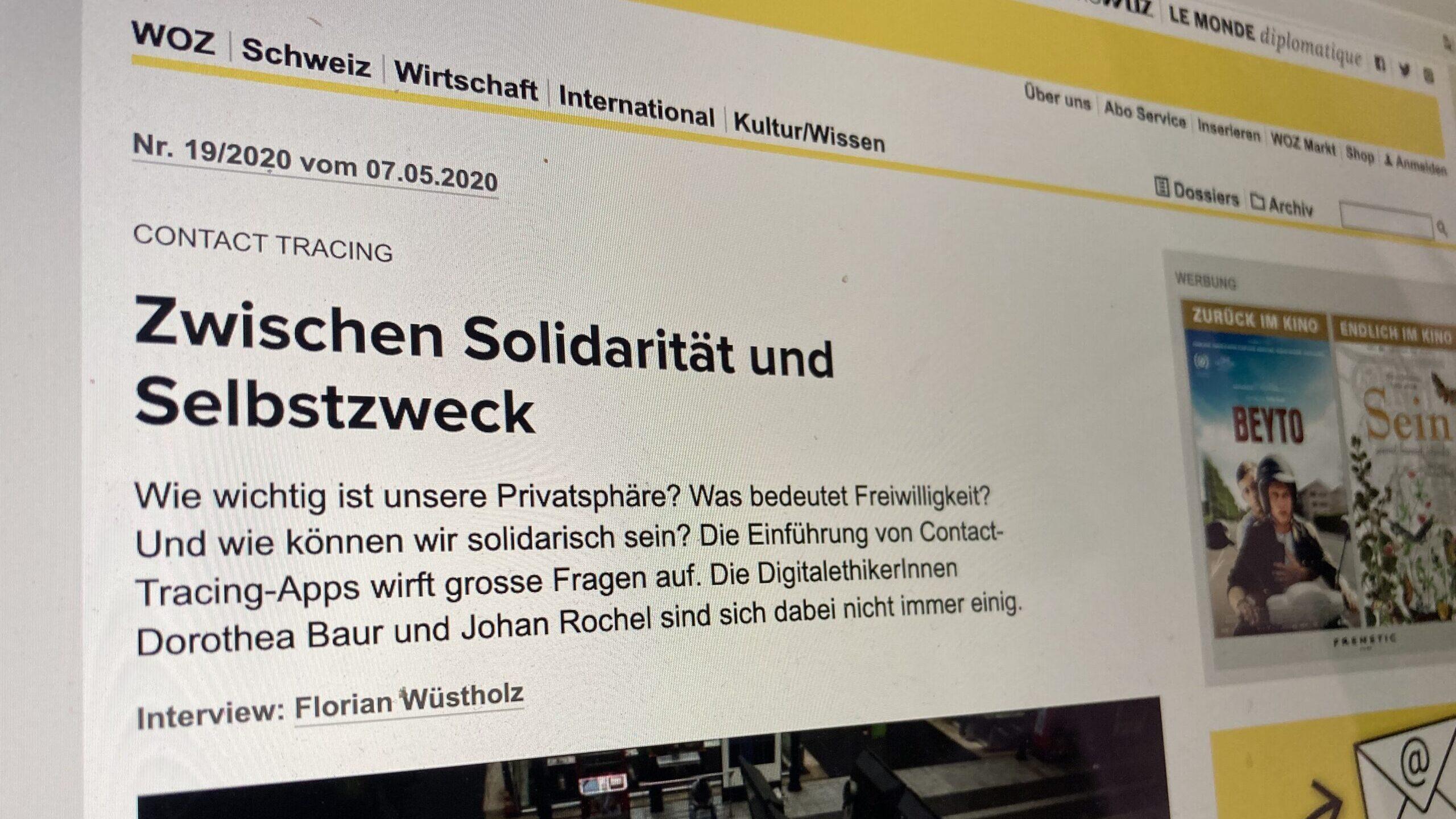
Die Rolle von Technologie, Privatsphäre und Solidarität in der Pandemie
Wie wichtig ist unsere Privatsphäre? Was bedeutet Freiwilligkeit? Und wie können wir solidarisch sein? Die Einführung von Contact-Tracing-Apps wirft grosse Fragen auf. Florian Wüstholz von der WOZ lud mich zusammen mit dem Innovationsethiker Johan Rochel zu einem kontroversen Gespräch ein.
-

AI and sustainability: a solution or part of the problem?
Environmental sustainability is one of the most promising domains to deploy ‘AI for Good’. The environment is an excellent use case for collecting and analyzing data that help us to better understand and address key environmental challenges. In contrast to the use of AI in ‘human settings’, you typically don’t run into problems of privacy…
-

What makes AI ethicists “the top hire companies need to succeed”?
KPMG ranked „AI ethicist“ as one of the „top 5 AI hires companies need to succeed in 2019“. That’s good news for an ‘old business ethicist’ like me. However, there is no common understanding whether we need AI ethicists in the first place, and whether creating such a profile inevitably leads to „machinewashing“. I address…
-

The costs of lowering social standards
In 2014 Chiquita paid their workers in Honduras private health insurance which cost them a total of 1 million USD per year. Quite a lot of money for a company close to bankruptcy. A few weeks ago they wanted to lower the level of health care services. As a result, workers went on strike for…