Kategorie: aiethics
-

elleXX: Kolumnen mit wachem Geist, scharfer Zunge und Augenzwinkern
elleXX ist eine innovative Finanzplattform für Frauen. Hier schreibe ich jeden Monat eine Kolumne. Mit wachem Geist, scharfer Zunge und einem Augenzwinkern.
-
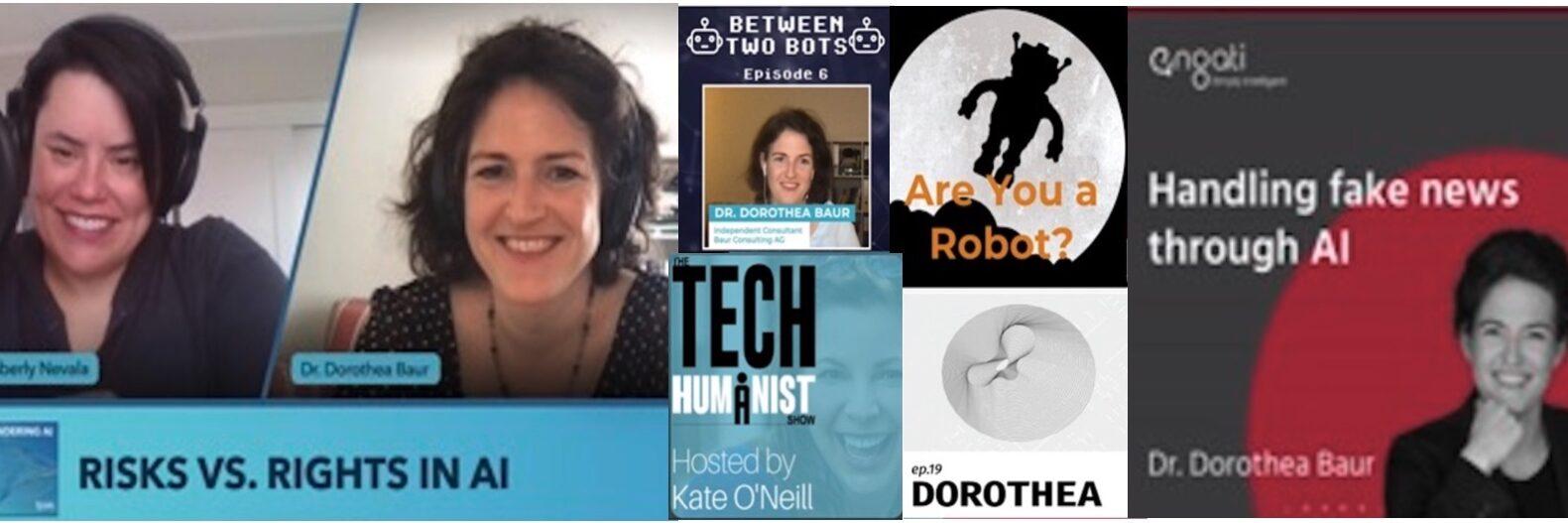
Podcasts – meine Gedanken zu Ethik auf Sendung
Menschen aus der ganzen Welt laden mich ein, meine Gedanken zu Ethik, zu Künstlicher Intelligenz, zu Datenschutz, zu Nachhaltigkeit oder zu meinem persönlichen Werdegang zu teilen. Podcasts sind eine grossartige Chance, meine Ansichten und Überzeugungen strukturiert und klar verständlich darzulegen. Jedes einzelne dieser Gespräche war immer auch ein Augenöffner für mich selber.
-

Künstliche Intelligenz und Ethik. Oder lieber Pizza, Chips und Gummibärchen.
„Hanbekks trifft“ ist der Podcast der äusserst scharfzüngigen… Hanbekks eben! Bei ihr durfte ich nicht nur über KI und Ethik reden, sondern auch meine Henkersmahlzeit bestellen.
-

Macht uns Künstliche Intelligenz dümmer?
Macht uns Künstliche Intelligenz dümmer? Nicht zwingend. Und auch wenn KI uns immer mehr steuert, müssen wir nicht nur unserem Verstand, sondern auch dem Bauchgefühl vertrauen. Wir dürfen den Mut und die Unbeschwertheit im realen Leben nicht verlieren.
-
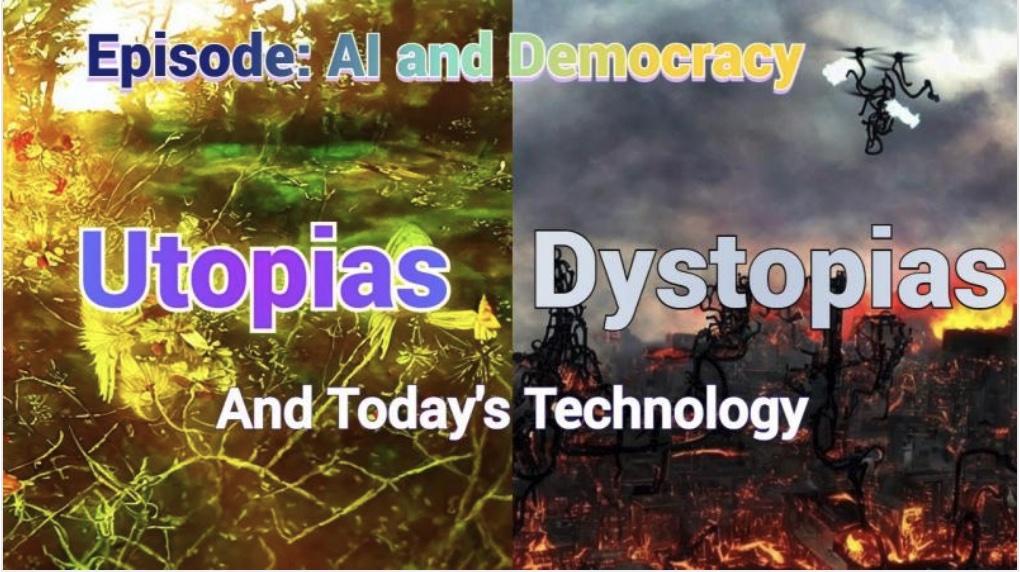
AI and democracy – a complicated relationship
Johannes Castner asked me about my opinion on the intersection between AI and democracy. In a nutshell, I’d say: „Keep the two apart from each other.“
-
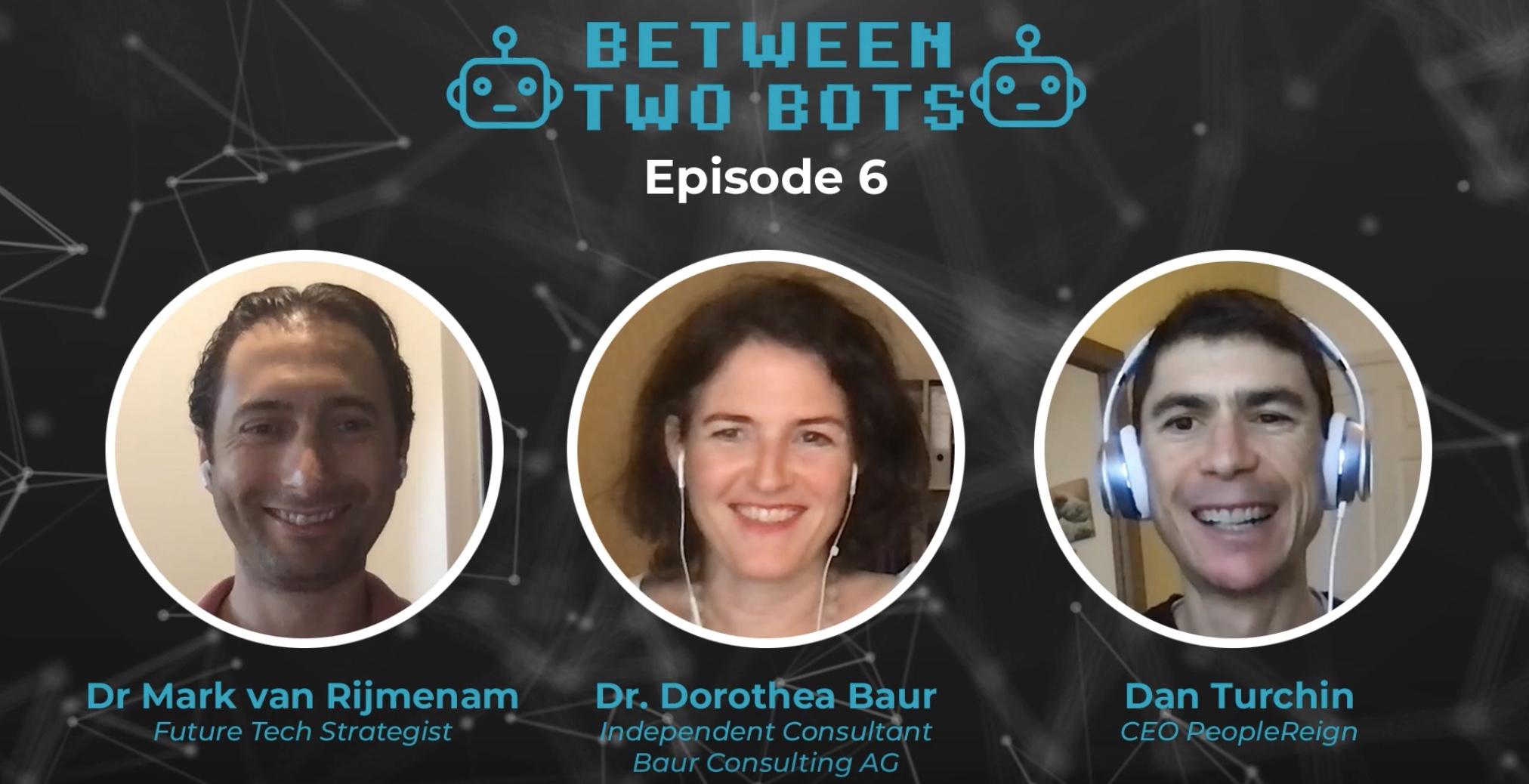
Big Tech and AI ethicists — a reciprocal duty to engage?
If we have a choice: do we want to have Big Tech at the table when discussing regulation, or do we want them to lobby behind closed doors? I argue for the latter. We have a duty to engage.
-

„No one likes to talk about ethics. I show that talking about ethics can be fun“
Here is how I developed from a primary school feminist protesting against handicraft lessons for girls, to a rebellious anticapitalist teenager in high school, to a bored business administration student in the 1990ies, into who I am today.
-
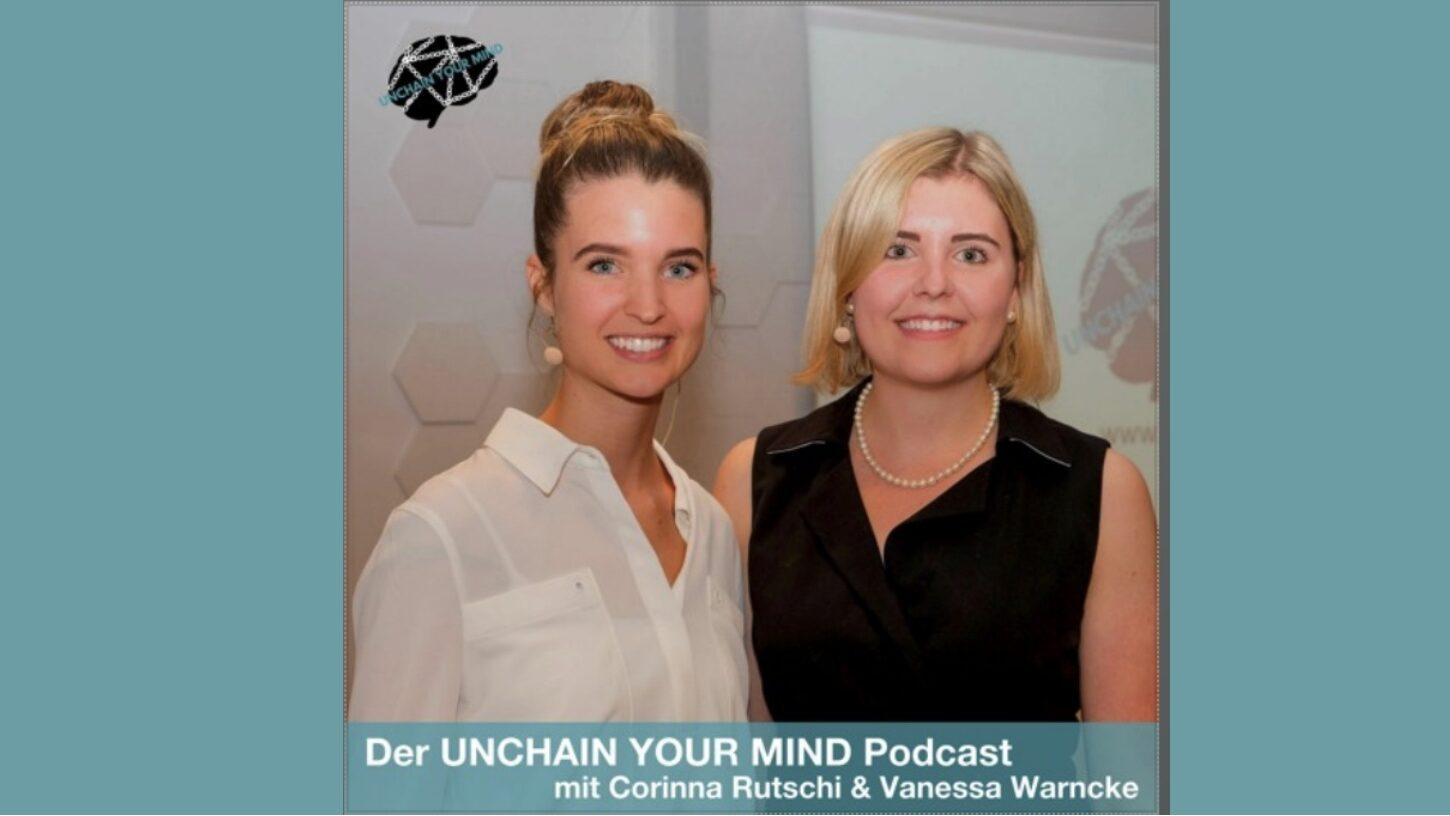
Online Dating und Ethik: Was unterscheidet Tinder von Zalando?
Muss mir Tinder aus Gründen sozialer Gerechtigkeit & Inklusion eine möglichst diverse Auswahl an Männern zeigen, auch wenn klar ist, dass ich nur auf blonde Männer über 1.85m stehe? Was ist der Unterschied zwischen dem Angebot auf Tinder und Zalando? Soll nicht bei beiden Plattformen der Kundenwunsch im Vordergrund stehen?
-

„The EU regulation on AI makes ethics affordable“
What does the EU draft regulation on AI mean for companies? Will they see it as a burden or do they embrace it as meaningful guidance? I was invited to a short podcast on my views on these matters.
-

Zum Unterrichten von KI & Ethik
Das Montreal AI Ethics Institute hat mich, zusammen mit meinen ForHumanity-Kollegen Merve Hickok und Ryan Carrier, zu unseren Gedanken über das Lehren von KI und Ethik interviewt. Ich empfehle, KI-Ethik so anwendungsorientiert wie möglich zu halten und die Menschen zu inspirieren, darüber nachzudenken, was das für ihre eigene Arbeitserfahrung bedeutet.
-

Privacy violations create irreversible damage. There is no compensation scheme for data leaks.
In the year 2021, after countless shitstorms about privacy violations, after Cambridge Analytica, at the same time as people leave Whatsapp because they disagree with their new privacy, Clubhouse comes to Europe with a business model that disregards any legal and ethical considerations, and they are successful.
-
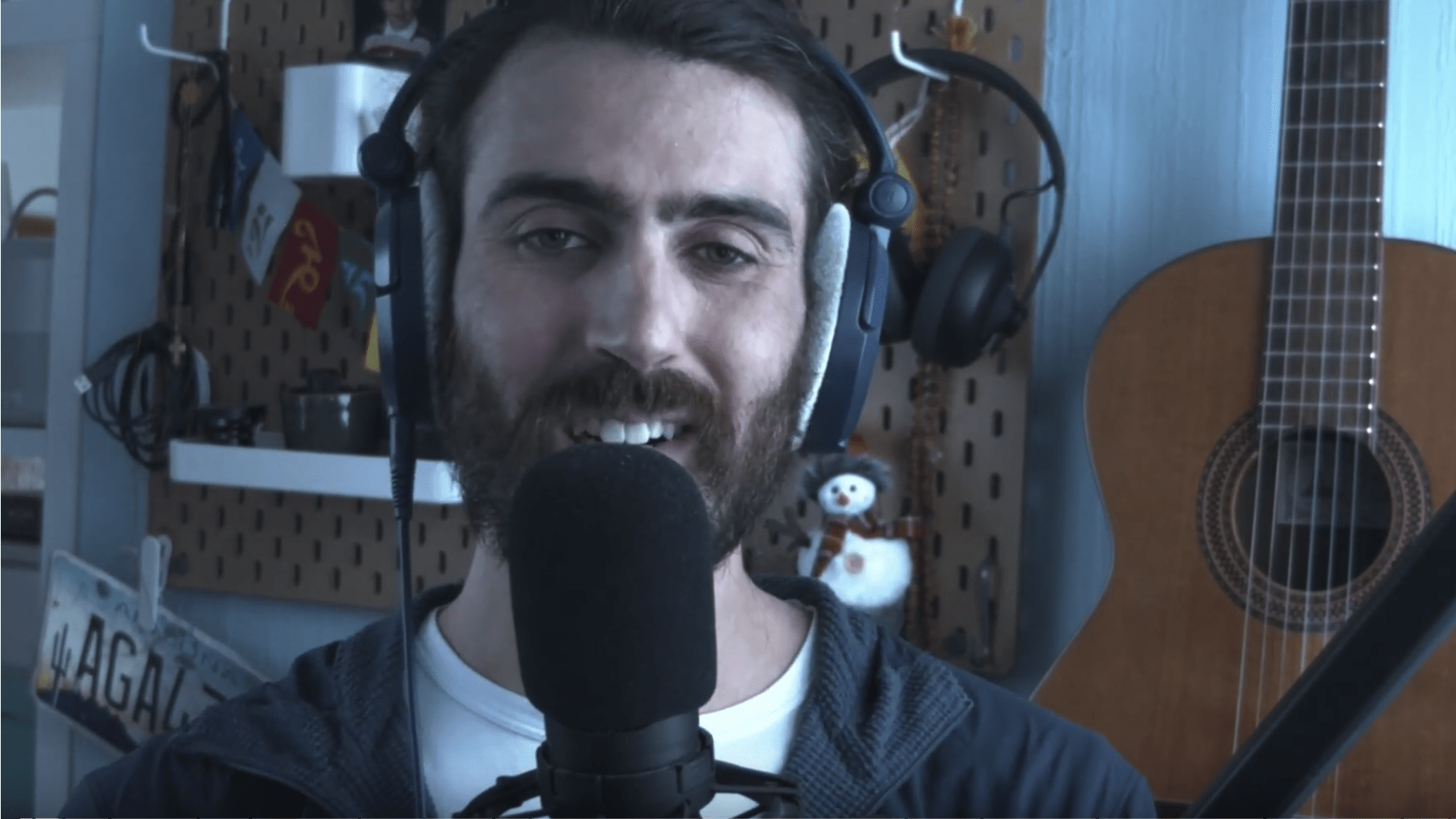
Is there business ethics in Clubhouse?
What can AI ethics learn from business ethics? What’s the ethics of Clubhouse, if any? Is the Robinhood app undermining free will? And how can tech companies create an ethical business culture? Listen to my thoughts in this interview.
-

Thought Leader Talk: „Ethik kann Spass machen“
Die Swiss Mobile Association hat mich als Thought Leader interviewt. Ich sage unter anderem: «Ich stelle die Warum-Frage nicht nur in Bezug auf Innovation oder Fortschritt, sondern auch in Bezug auf den Status Quo».
-
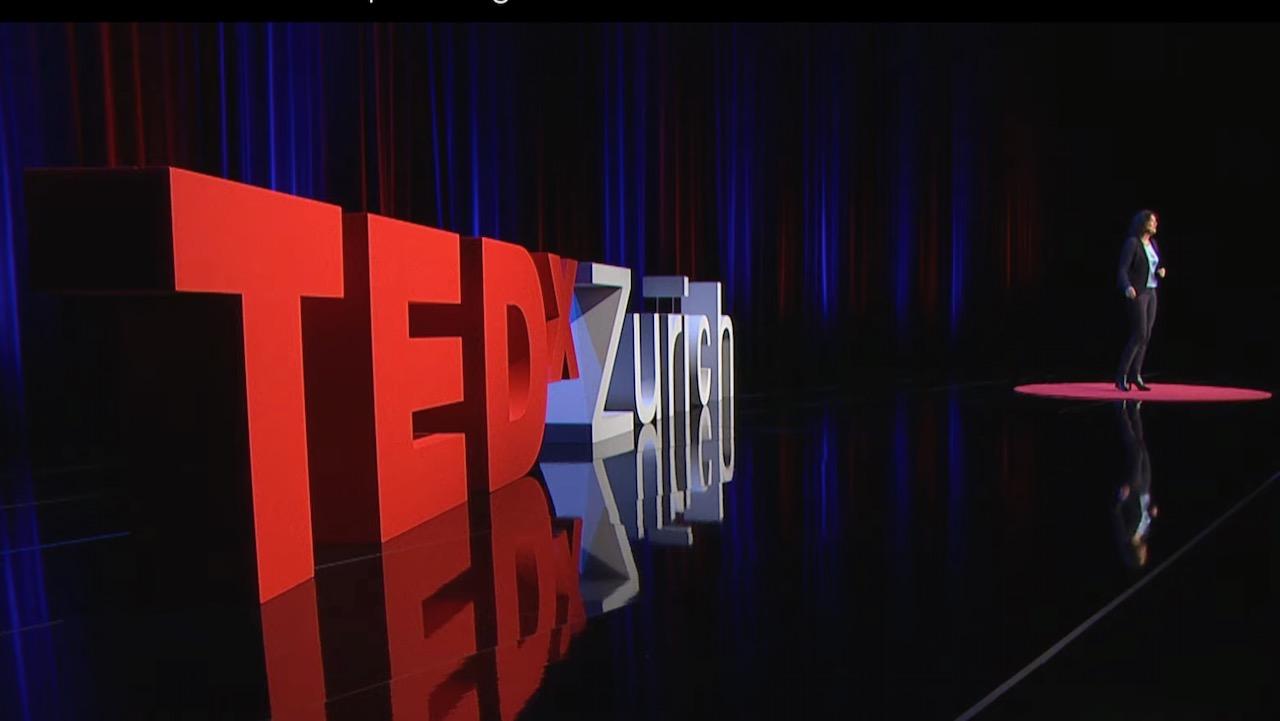
TedX Zürich: «AI – freedom within, freedom without»
AI frees us from having to solve complex problems ourselves, but does it also deprive us of the ability to think for ourselves? In my TedX speech I reflect on the ambiguous role AI plays for our freedom. Due to the pandemic, my speech was recorded in a huge, empty, pitch-black TV studio in Zurich.…
-
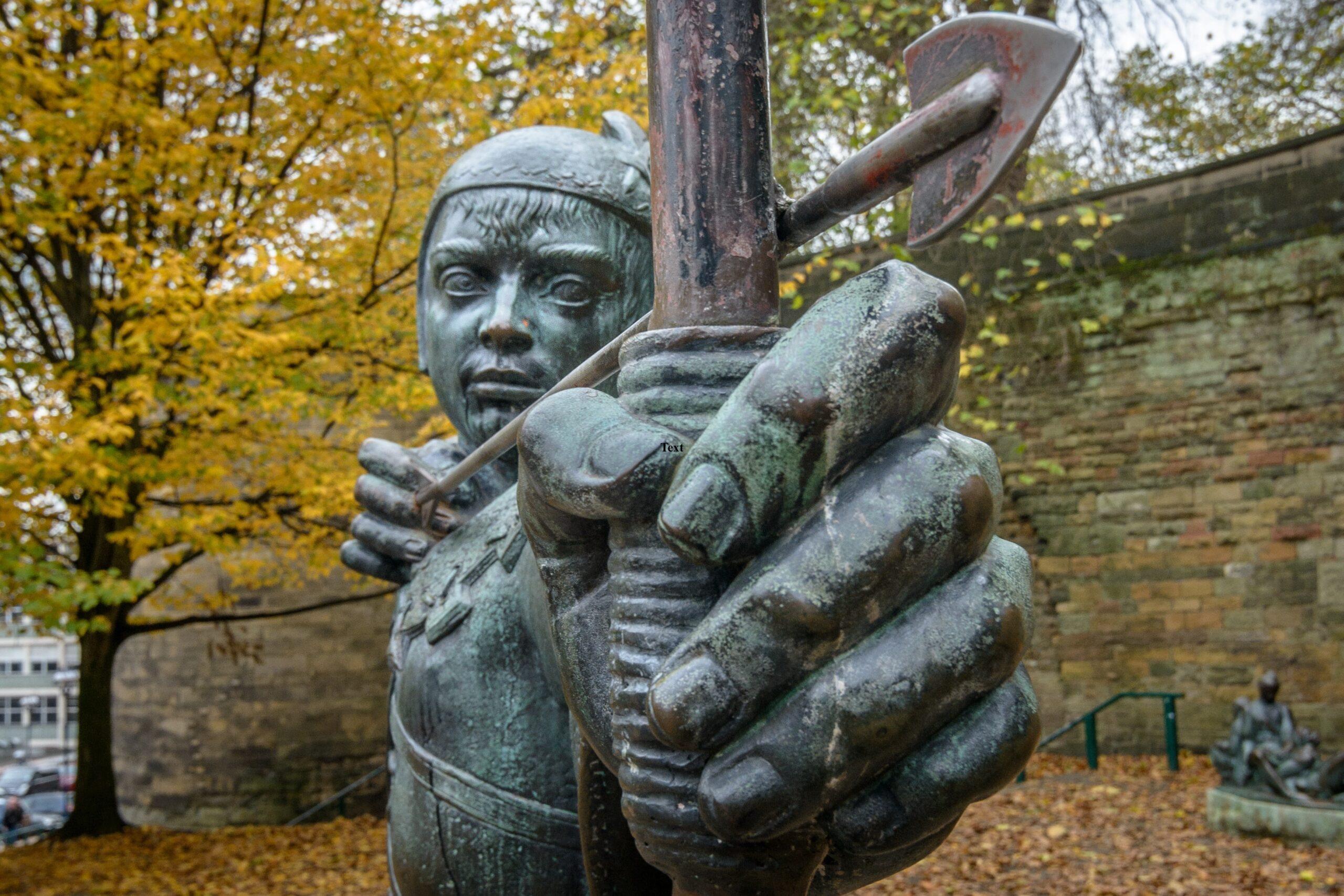
Robinhood: democratized finance on shaky ground
More than 900 years after the heroic figure Robin Hood set out to steal from the rich and give to the poor, two American entrepreneurs borrowed his name to establish a fintech company that claims to “democratize finance for all”. But the new Robinhood’s claim of ‘democracy’ is on shaky ground. Just as the company…
-
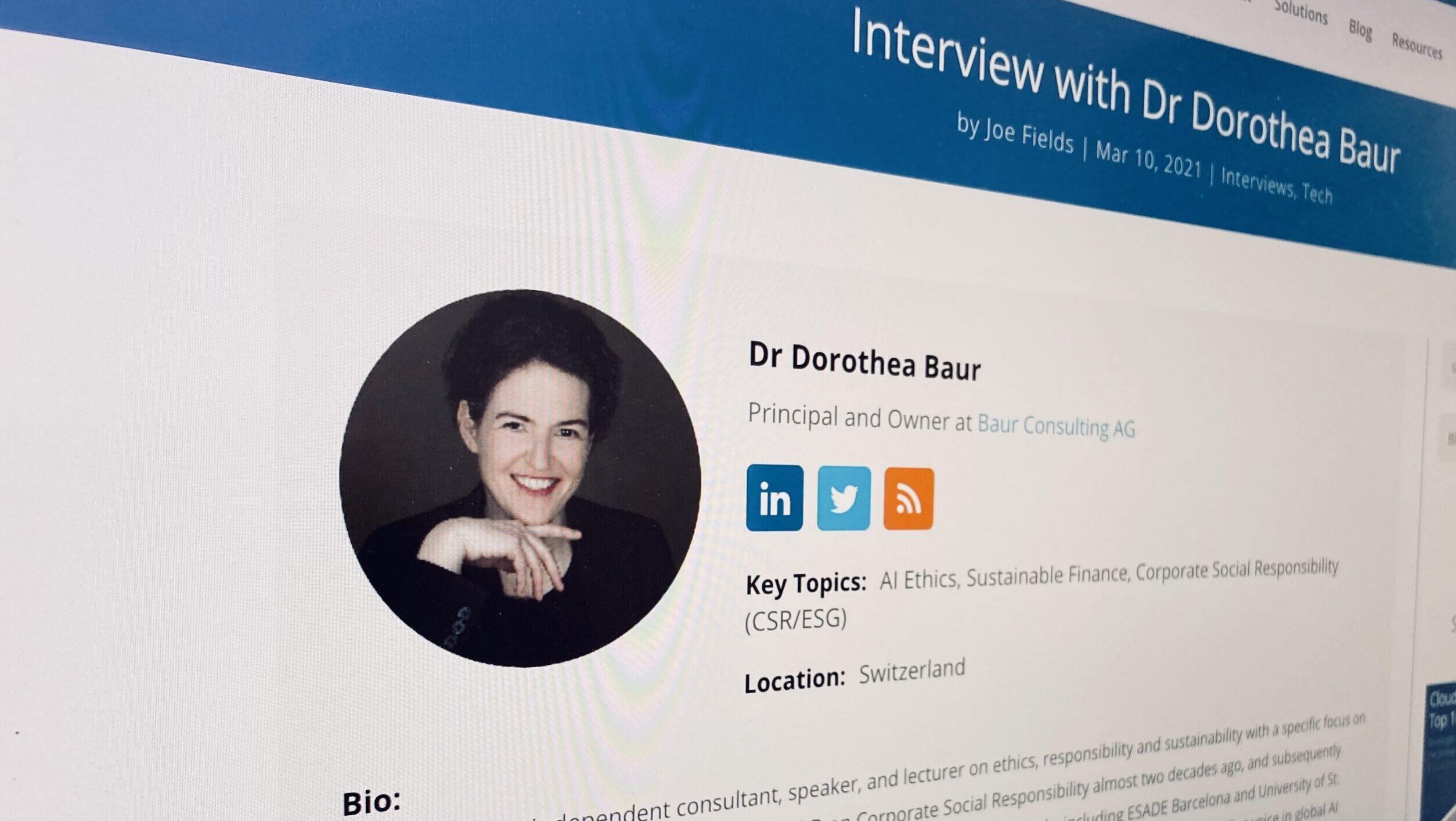
„Ethics is not just about right or wrong but often rather about why“
„People often feel uncomfortable talking about ethics. My mission is to enter a company, a classroom, a stage, and take away that unease“, I say in my interview with influencer marketing platform Onalytica.
-
„AI is a tool, not a right. It’s not an end in itself“
„We might trust machines more than people when we communicate with them but this is dangerous because behind every machine there are the people that create it“. Just one of my statements from my lively talk with Kimberly Misquitta from Indian chatbot company Engati.
-
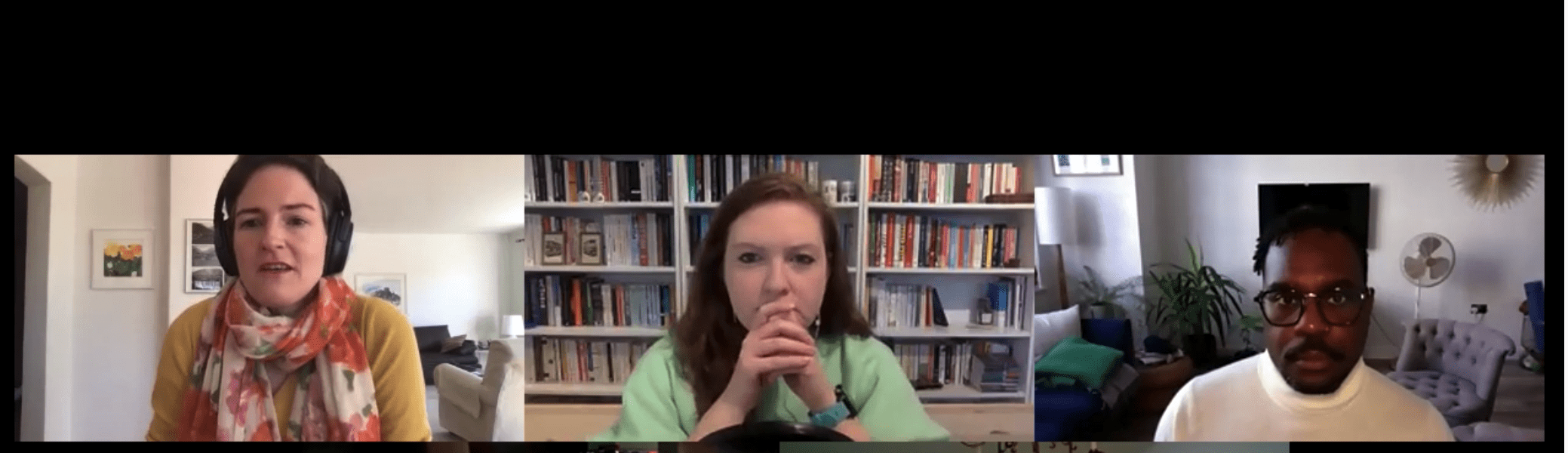
Fake it till you make it: AI and Hype
The Algo 2020 conference invited me on a panel discussion titled „Fake it till you make it – AI and Hype“. My 4 key points: 1. AI hype does not question the very purpose of AI. 2. AI hype is linked to misleading promises. 3. AI hype directs energy at something that is barely tangible.…
-

„Die Stärke einer Technologie bemisst sich an ihrem Beitrag zum Wohl der Schwachen“
„Technische Innovation verschafft Menschen mit Behinderung idealerweise Erleichterungen. Gleichzeitig hilft sie Menschen mit Behinderungen, den Erwartungen der Gesellschaft gerecht zu werden. Aber sie steigert eben diese Erwartungen auch – denn sie verändert, was in der Gesellschaft «normal» ist“ So lautet eine meiner Aussagen im Rahmen meines Impulsreferates beim Cybathlon 2020, auf dem Podium von Pro…
-
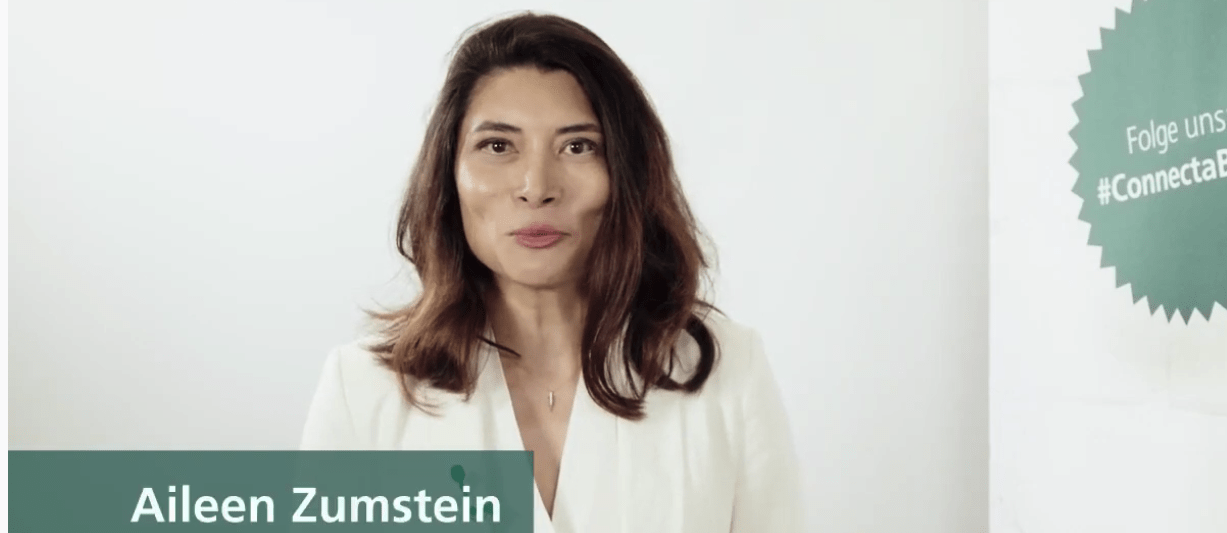
Nachhaltigkeit: von Daten zu Taten
Auf ConnectaTV spreche ich mit Aileen Zumstein über den «Messwahn» in der Nachhaltigkeitsdebatte, über den «Rückzug in die Intuition», über low hanging fruit und Oberflächenkosmetik, sowie die Bedeutung von Prinzipien und Unvermeidlichkeit von Abwägungen.
-

«Contact-Tracing ist nicht Instagram – das Individuum ist völlig uninteressant»
Im Kampf gegen Covid-19 setzen die Schweiz und weitere Staaten auf digitales Contact-Tracing. Die Weitergabe eigener Daten ist angesichts der Pandemie eine Form der praktizierten Solidarität, sage ich in einem Gespräch im Auftrag der Stiftung Sanitas Krankenversicherung.
-

„There is no Responsible Tech without accountability“
There is a divide between those working on Responsible Tech inside companies and those criticizing from the outside. We need to bridge the two worlds, which requires more open-mindedness and the willingness to overcome potential prejudices. The back and forth between ‘ethics washing’ and ‘ethics bashing’ is taking up too much space.
-

Ethics in the tech sector: what makes it so distinctive?
Kate O’Neill is a global thought leader, author, keynote speaker, strategic advisor, and „tech humanist“. We talked about connecting the dots between AI ethics, privacy, climate change, CSR, ESG, contact tracing, carbon offsetting and much more, including quite some laughter.
-
Business is there to make life better. But what does that mean?
As part of his series “Interviews with global leaders in the field of Artificial Intelligence” I spoke with Johan Steyn about AI ethics, privacy, contact tracing, buiness ethics, CSR, etc. – live from my kitchen table.
-

Ethical debates sparked by Covid19: my thoughts as part of the UNESCO Forum
UNESCO Forum invited me as a speaker to share my thoughts on the Covid-19 crisis. The pandemic has sparked fundamental ethical debates. Think of the terrifying reports from hospitals in Italy in Spring 2020. Intensive care units were overrun with patients. There were not enough ventilators. And suddenly we asked ourselves: What is the value…
-
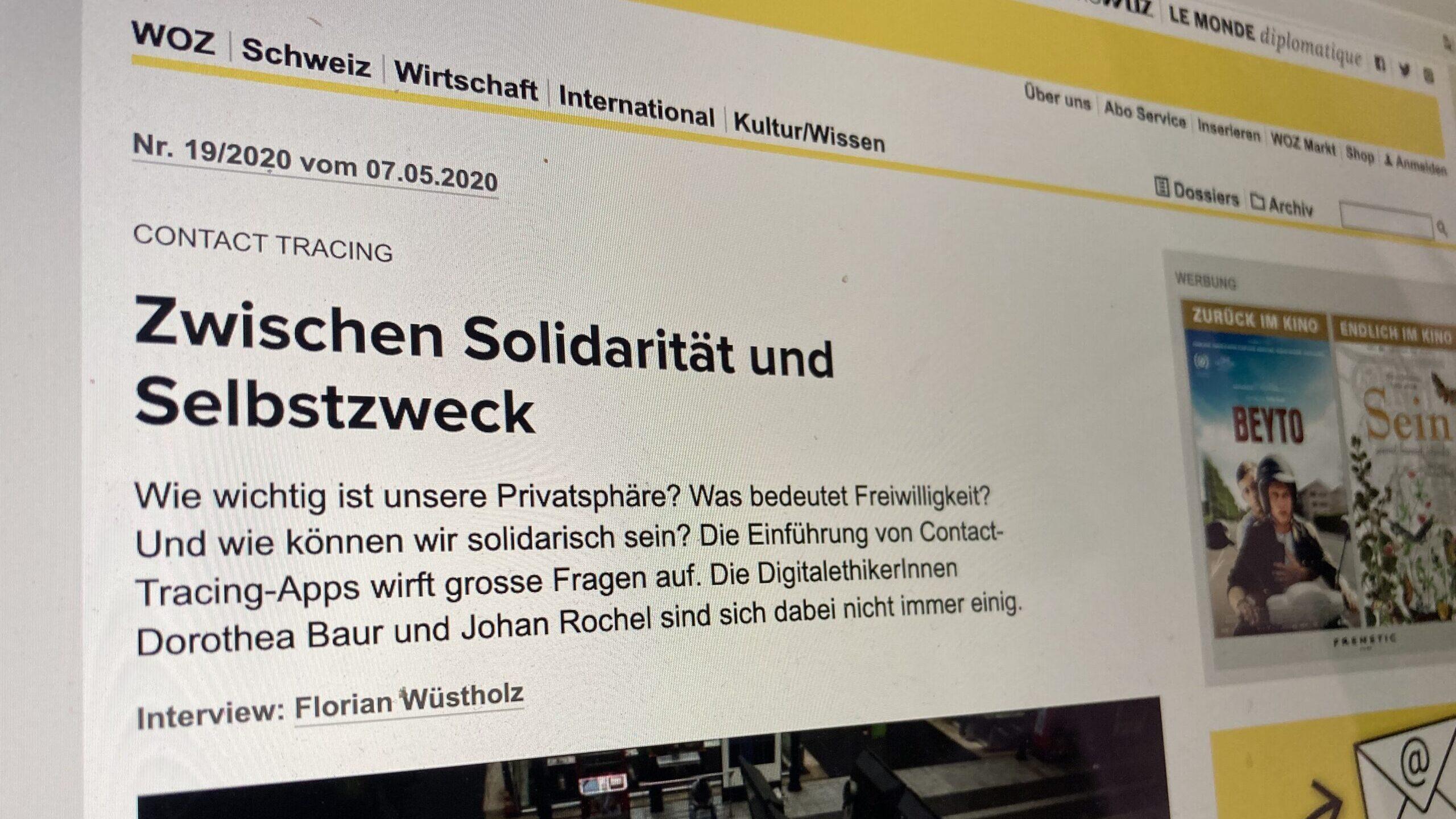
Die Rolle von Technologie, Privatsphäre und Solidarität in der Pandemie
Wie wichtig ist unsere Privatsphäre? Was bedeutet Freiwilligkeit? Und wie können wir solidarisch sein? Die Einführung von Contact-Tracing-Apps wirft grosse Fragen auf. Florian Wüstholz von der WOZ lud mich zusammen mit dem Innovationsethiker Johan Rochel zu einem kontroversen Gespräch ein.
-

AI and sustainability: a solution or part of the problem?
Environmental sustainability is one of the most promising domains to deploy ‘AI for Good’. The environment is an excellent use case for collecting and analyzing data that help us to better understand and address key environmental challenges. In contrast to the use of AI in ‘human settings’, you typically don’t run into problems of privacy…
-

Why AI really needs social scientists
OpenAI states that in order to assure a rigorous design and implementation of this experiment, they need social scientists from a variety of disciplines. The title immediately caught my attention given that the kind of “AI ethics” I am dealing with hinges on an interdisciplinary approach to AI. So, I sat down and spent a…
-
Algorithmic decision-making and social division
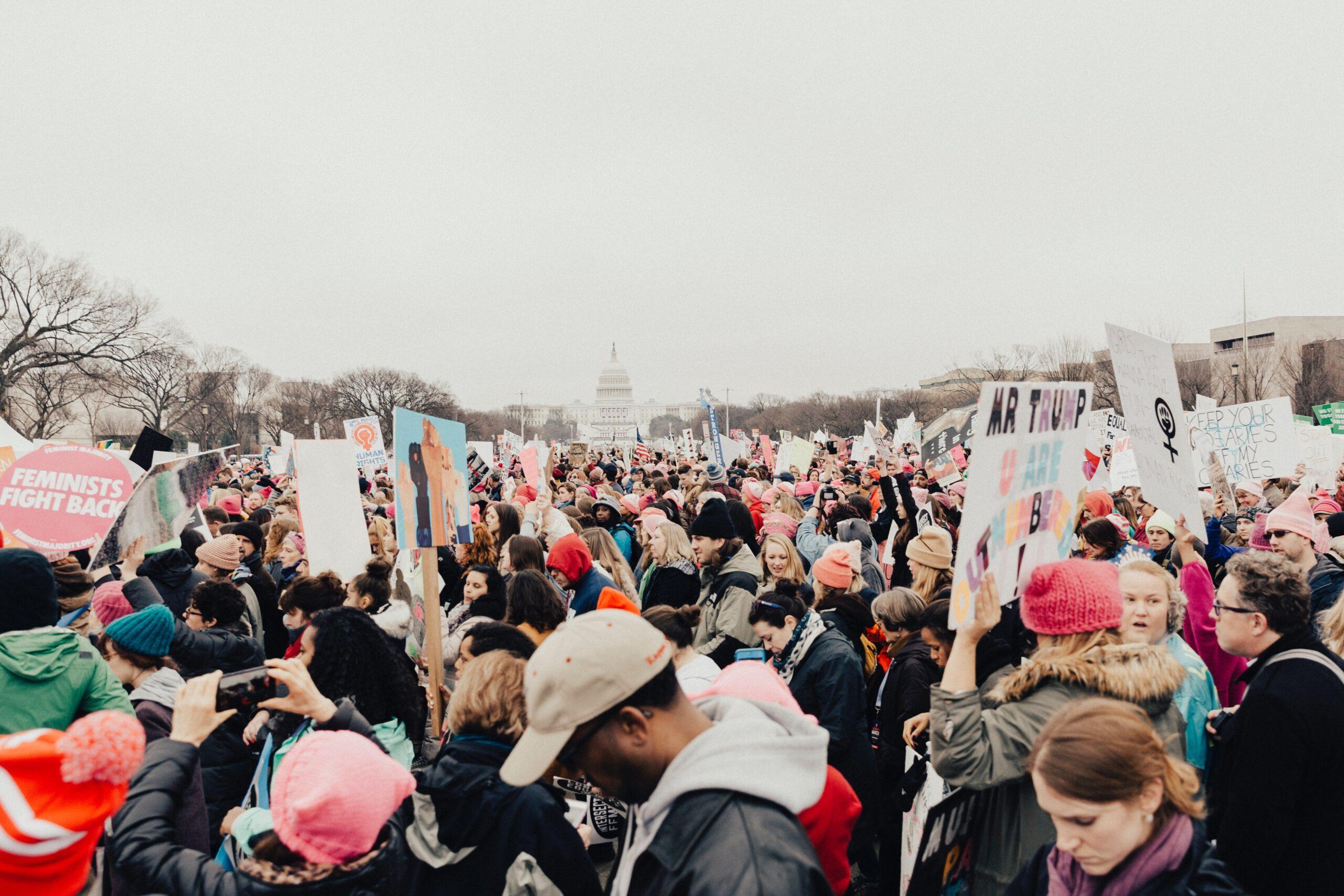
Reading a report on “Discrimination, Artificial Intelligence and Algorithmic Decision-Making”, I wondered to what degree algorithmic decision-making could serve to further exacerbate discrimination in already deeply divided societies. If we want AI in general and algorithmic decision-making in particular to flourish and to contribute to the common good rather than promote or exacerbate division, we…
-

What makes AI ethicists “the top hire companies need to succeed”?
KPMG ranked „AI ethicist“ as one of the „top 5 AI hires companies need to succeed in 2019“. That’s good news for an ‘old business ethicist’ like me. However, there is no common understanding whether we need AI ethicists in the first place, and whether creating such a profile inevitably leads to „machinewashing“. I address…